Live context
Quick facts
- Nara was established as Japan's first permanent capital in 710 AD and remained so until 784 AD.
- Nara Park is home to approximately 1,200 freely roaming deer, which are considered messengers of the gods in the Shinto religion.
- The Great Buddha Hall (Todai-ji Daibutsuden) houses a colossal bronze statue of Buddha that stands at 15 meters tall and is one of the largest bronze figures in the world.
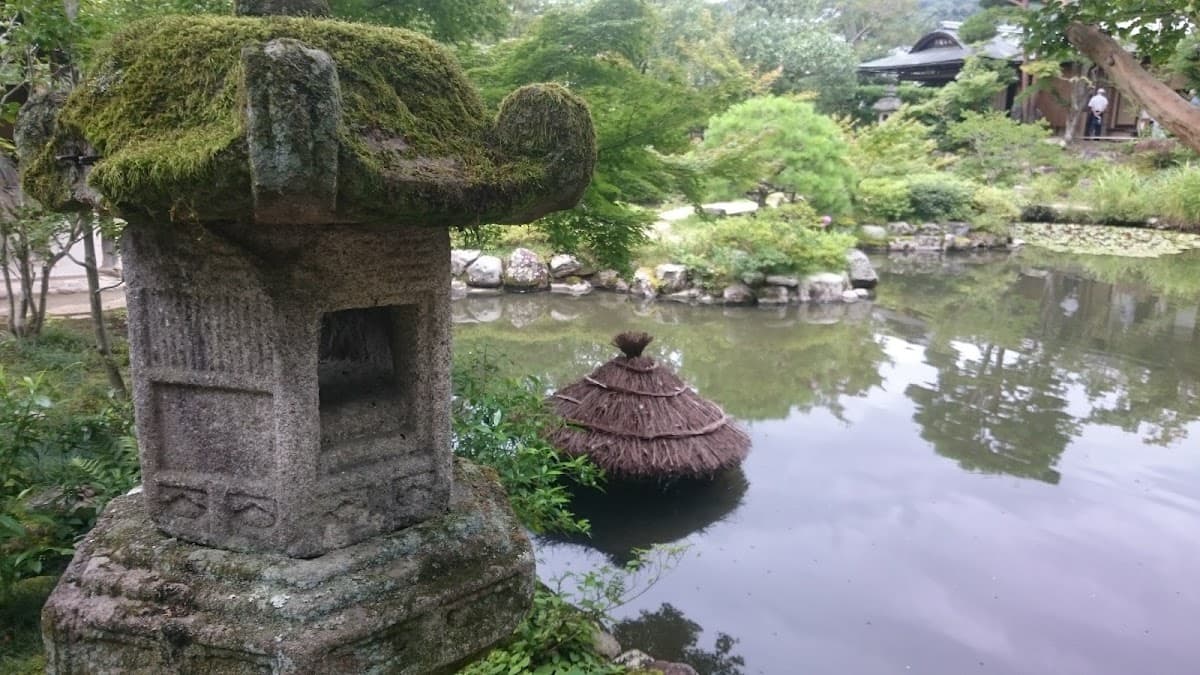
- Kasuga-taisha Shrine, known for its thousands of stone and bronze lanterns, was founded in 768 AD and is a UNESCO World Heritage site.
- The Naramachi district features well-preserved traditional wooden machiya houses, reflecting the architectural style from the Edo period, which lasted from 1603 to 1868.
Travel details
- Country
- Japan
- Wind (now)
- 9 km/h
- Coordinates
- 34.6851, 135.8048
Share this destination
Share Nara, Japan with friends or save it for later.
Want to embed this destination on your site?
Get embed code →Related destinations
🇯🇵
Osaka, Japan
Japan’s kitchen city: neon canyons of Dotonbori, takoyaki smoke, castle grounds, and a blunt, funny energy that contrasts Kyoto’s polished quiet.
🇯🇵
Kyoto, Japan
Japan's ancient capital, home to over 2,000 temples and shrines, traditional geisha districts, serene bamboo groves, and perfectly maintained zen gardens.
🇯🇵
Naoshima Art Island, Japan
A Seto Inland Sea island remade as an open-air museum: Yayoi Kusama’s pumpkin on the pier, Tadao Ando concrete galleries, and ferry hops between art islets.
🇯🇵
Takayama & Shirakawa-go, Japan
Morning markets and sake breweries in Takayama’s old town lead into the UNESCO gassho farmhouses of Shirakawa-go, steep roofs built for heavy Hida snow.